Published: 13.05.2026
🐾 The era of tiger selfies is over
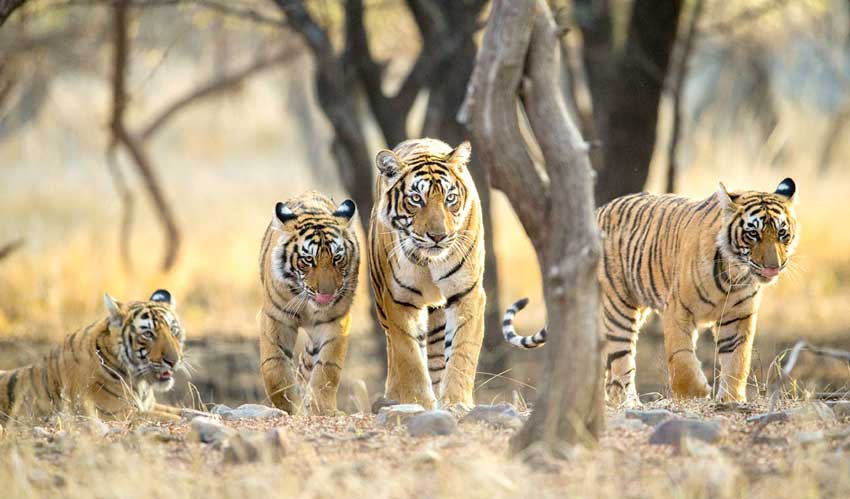
Bengal tigers, among the planet's most majestic predators, have recently become victims of the extreme selfie trend. However, close contact with a wild animal always carries immense risk, even if the predator appears calm. To protect both humans and wildlife, Indian authorities introduced an official ban on close-range photography of Bengal tigers, which took effect back in November 2025.
As noted by the newspaper Zaman-Turkmenistan, tourists are now prohibited from bringing mobile phones and cameras into nature reserves. The primary reason is the negative impact of gadgets: digital devices caused stress and anxiety among the predators, disrupting their natural rhythms. In India, this phenomenon of excessive attention became known as "safari gridlock."
Currently, there are approximately 4,500 tigers remaining worldwide, with nearly 70% of the population concentrated in India. Given that three of the nine tiger subspecies—the Balinese, Javan, and Caspian tigers—have already gone extinct, these measures have become vital for the species' survival.
Leaders of the Nature Safari India organization emphasize that the pursuit of viral social media content was jeopardizing the peace and safety of these rare cats. This regulation has not only helped prevent accidents but also guaranteed Bengal tigers the right to privacy and tranquility in their natural habitat.