
Published: 04.05.2026
🌲 Zarafshan Juniper
Among the trees that grace our country's mountain landscapes, junipers (archa) hold a special place. They play a key role in maintaining the natural balance of the mountain ecosystem. In Turkmenistan’s wild environment, two species of this plant thrive: the Turkmen juniper adorns the Kopetdag ridges, while the majestic Koytendag is home to the Zarafshan juniper.
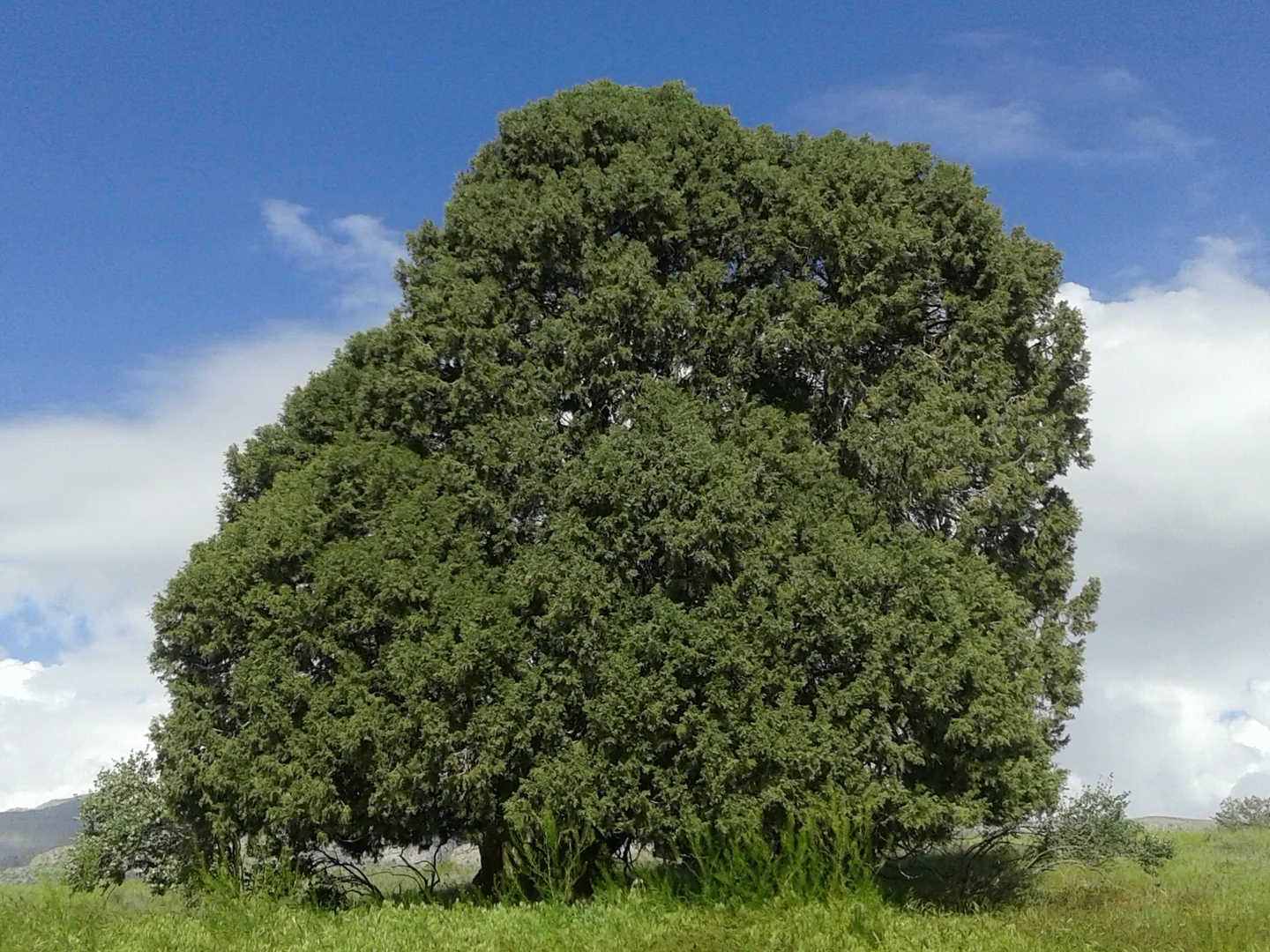
While the Turkmen juniper is endemic to the Kopetdag-Khorasan mountains and is listed in the fourth edition of the Red Data Book of Turkmenistan, the Zarafshan species—characteristic of the Pamiro-Alay system—is recognized as one of the most valuable floral assets of the entire Central Asian region.
On the slopes of Koytendag, the Zarafshan juniper is the primary forest-forming species. In deep canyons and on mountain ridges, it coexists with a variety of unique plants, such as the Persian walnut, wild grape, Caucasian hackberry (dagdan), fig, fluffy maple, coin-leaf honeysuckle, and both Bukhara and prickly almonds.
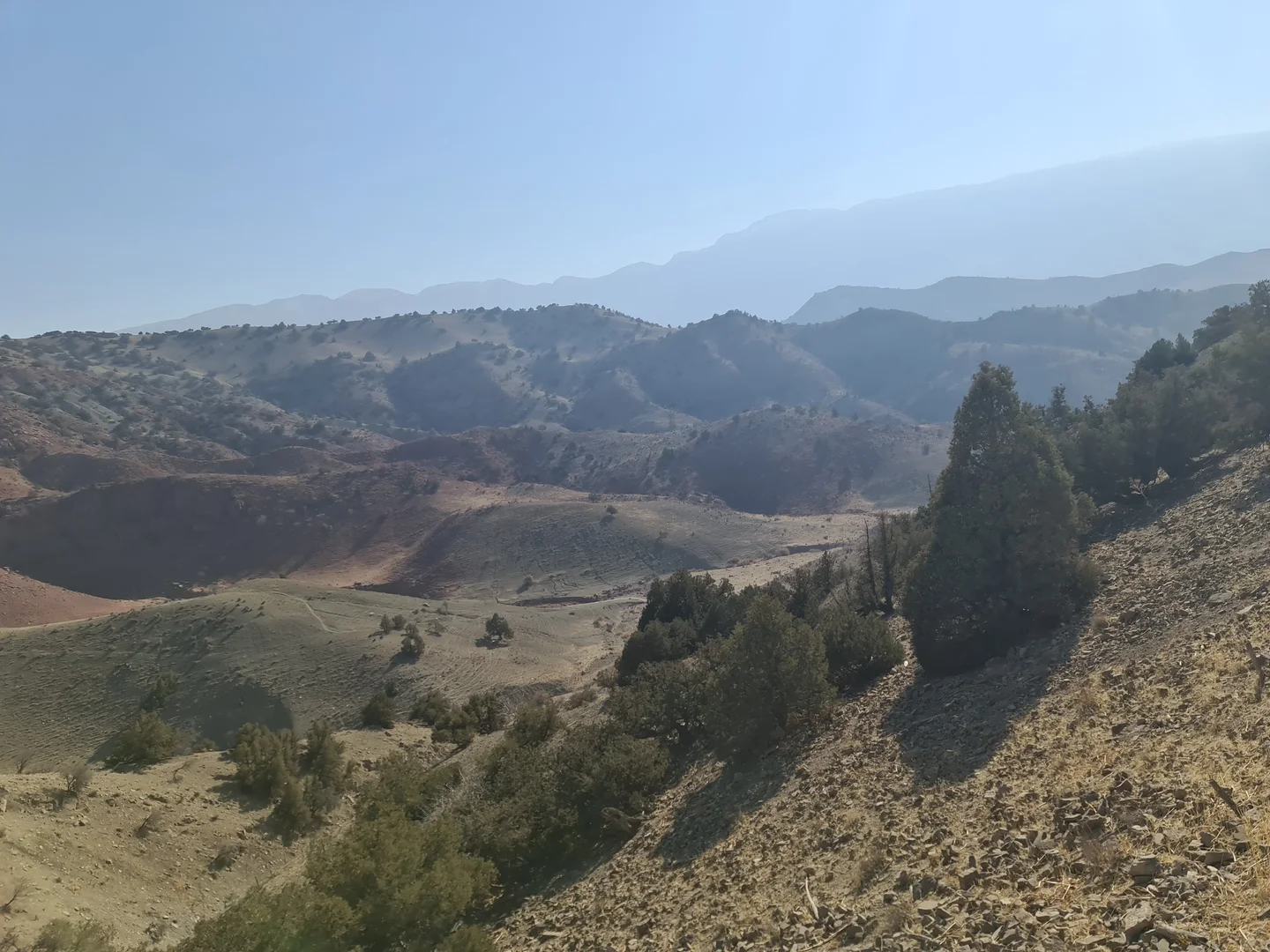
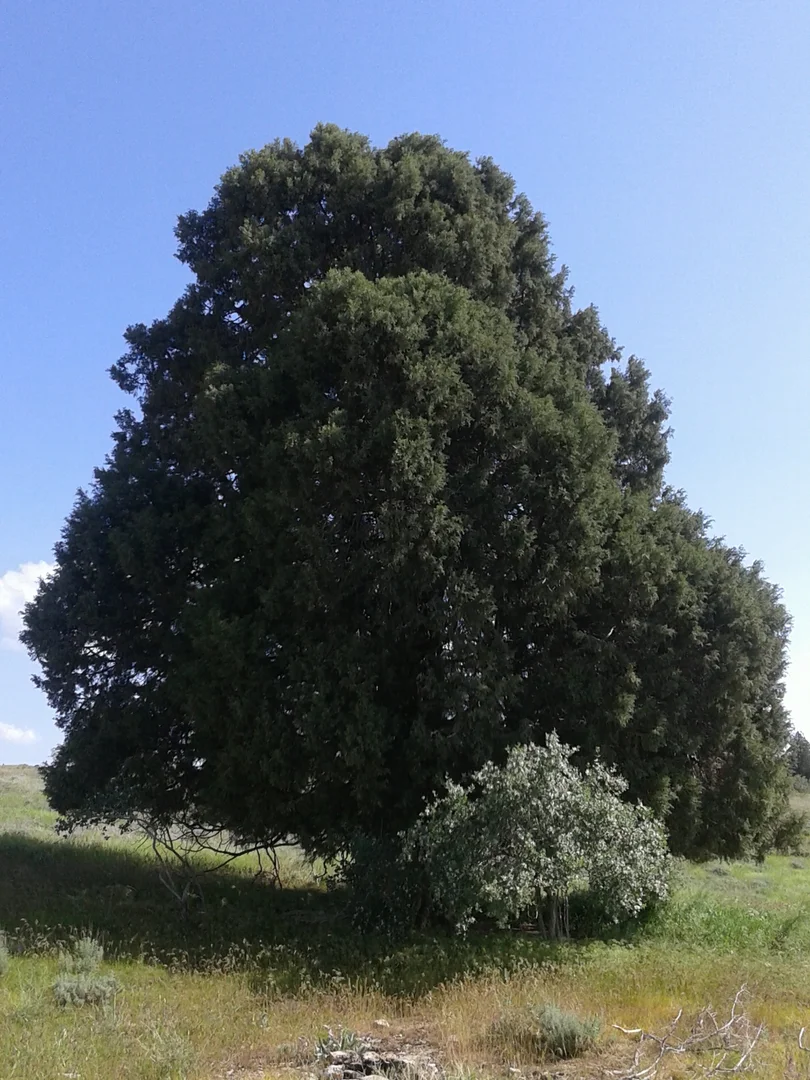
Here, one can find everything from young saplings to the "patriarchs" of the mountains—ancient trees that have adapted to the harsh climate over centuries. Such giants have been preserved in the Khelpe-Baba and Maydan tracts. Under their dense crowns, people find refuge from summer heat and bad weather, while for wild animals, these trees provide both shelter and food. Many bird species use the juniper for nesting, while its needles and seeds serve as a vital food resource for forest inhabitants.
The altitudinal distribution of the Zarafshan juniper is impressive: it rises to heights of over 2,650 meters above sea level, preferring stony highland hills. The scientific department of the reserve conducts continuous work to preserve this biodiversity. Within the framework of my research, the main emphasis is placed on studying vegetation, flowering, and fruiting cycles, as well as conducting experiments to restore tree populations directly within protected zones.
In search of the most effective cultivation methods, we are testing the use of biohumus and natural humus taken from beneath the roots of wild trees. Furthermore, we actively exchange experience with colleagues from other nature reserves to implement the best innovative approaches. Special attention is paid to harvesting seeds during the autumn period. We collect them in the Khodjaypil sanctuary, where healthy young stands predominate. After careful preparation, seedlings from our nurseries are planted in permanent plots, where their growth is strictly monitored.
Koytendag is becoming increasingly popular among tourists. The path to the famous Dinosaur Plateau in Khodjaypil passes through juniper forests, providing us with an excellent opportunity for educational outreach. Reserve staff talk to guests about the importance of preserving the mountain ecosystem. Experience shows that even a simple story about the need to water young trees along the trails resonates deeply with visitors, helping them realize their personal responsibility for preserving our native nature.