
Published: 01.08.2026
Trees decorating our city: How to tell apart Oriental Thuja, Eldar Pine, and Arizona Cypress?
Many of us confuse the names of the trees planted along streets, in parks, or near our homes, or simply consider them all the same. However, each of these trees that bring beauty to our city has its own distinct characteristics, differing in height, lifespan, and even health benefits. Understanding these nuances lets us get closer to the natural world around us and gain a deeper appreciation of its value.
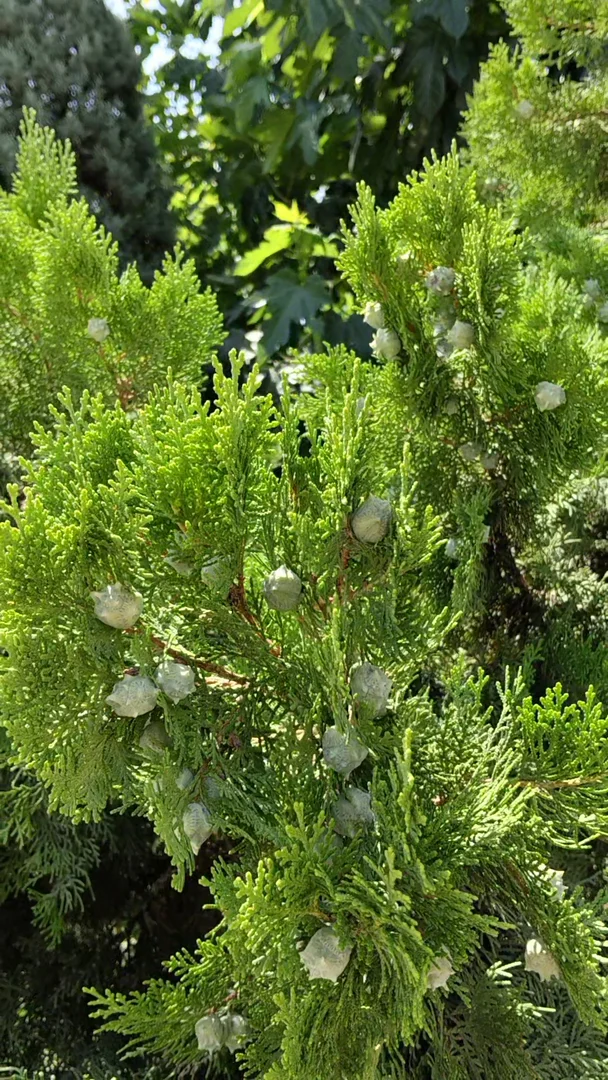
Oriental Thuja is a tree known for its rapid growth and attractive appearance. Its height usually reaches between five to ten meters. One of the main reasons for its popularity is that its crown is ideal for topiary trimming and shaping into any decorative form. That is why gardeners widely use it in the landscape design of parks and public squares.
The main feature of thuja is its release of phytoncides—natural compounds that fight bacteria and microbes. Thanks to this, the Oriental thuja acts as a natural filter, purifying the surrounding air.
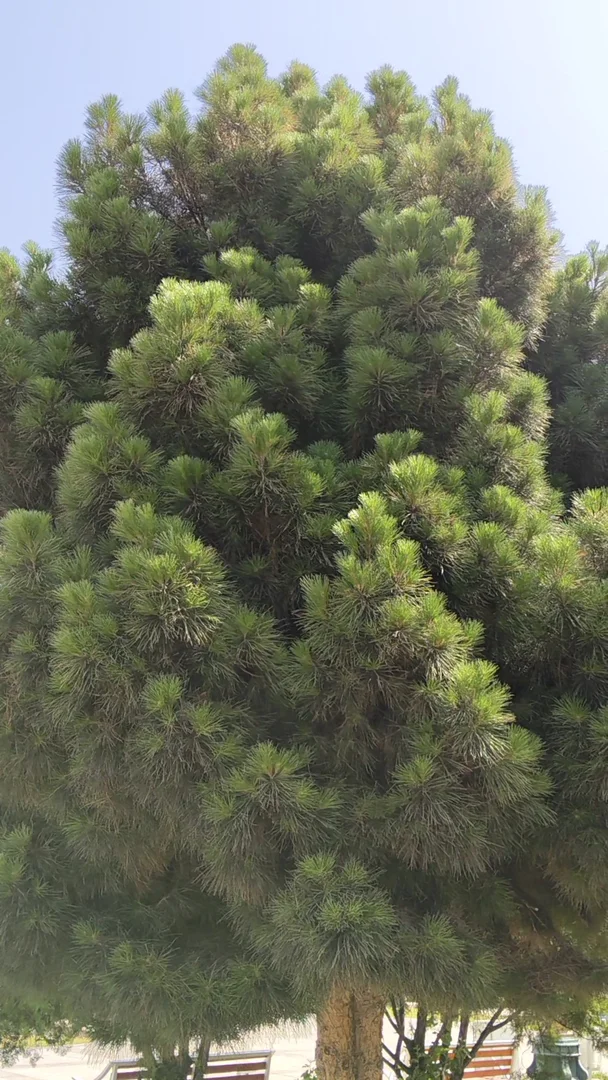
Eldar Pine is known as one of the tallest and most spreading trees, providing dense shade in large parks and along city streets. Its thin, dense needles create a recognizable silhouette that immediately distinguishes it from other species. This tree grows vigorously: it can reach heights of up to twenty meters and has a lifespan of around 150 years.
The Eldar pine is also famous for its beneficial effects on human health. Due to the helpful substances released by its needles, walking in the shade of these pines is considered very beneficial for the respiratory system.
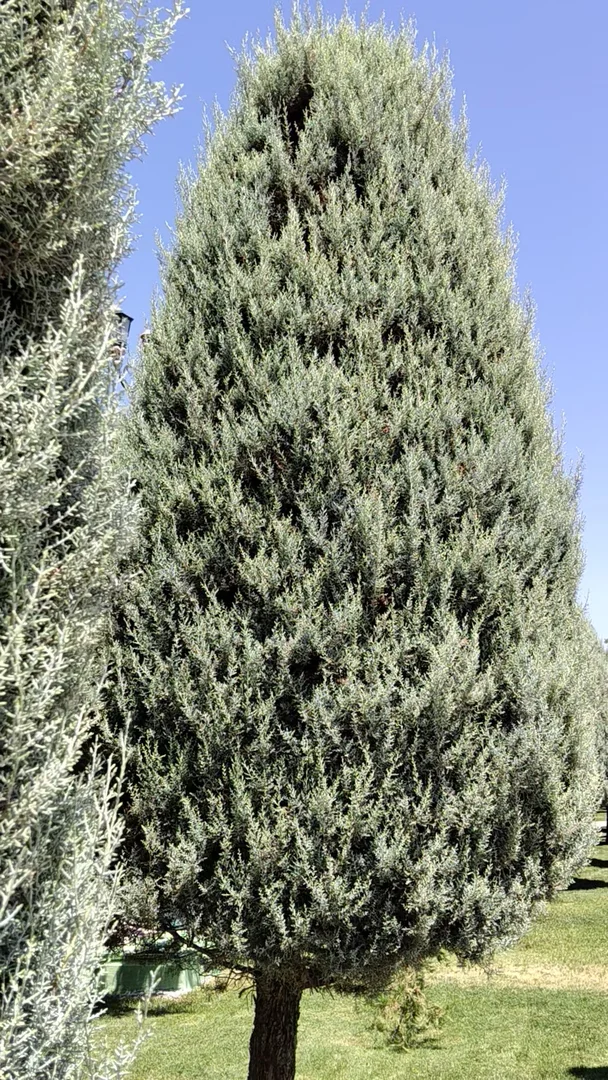
Arizona Cypress is a tree that immediately catches your eye with its unique shade and pleasant scent. Growing up to fifteen meters tall, this bluish-green tree is heat-loving by nature. Although native to the southwestern regions of the United States and parts of Mexico, it has adapted remarkably well to our urban environment.
Planted in rows along the streets, Arizona cypresses add a special elegance to city architecture. Thanks to its tolerance for heat and urban conditions, it is one of the most popular trees for green spaces and street decoration.
Now, the next time you take a walk outside, you'll easily be able to tell these three trees apart!