Published: 14.09.2026
The Egyptian vulture — a rare bird
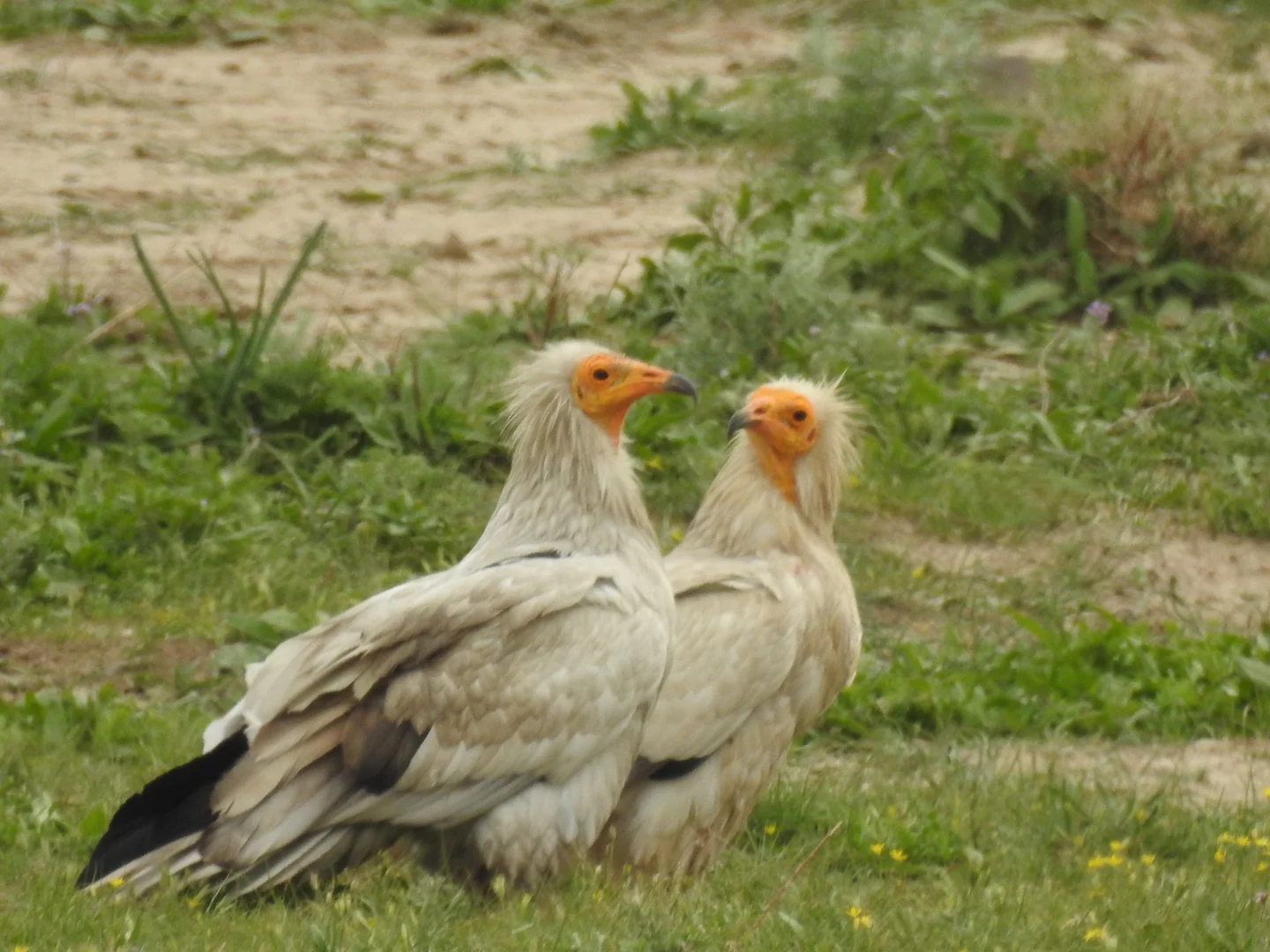
The avian world is striking in its diversity. Among birds, there are migratory, overwintering, breeding migratory, and resident species. One of the species listed in the Red Data Book of Turkmenistan is the Egyptian vulture (Neophron percnopterus). This bird belongs to the Accipitridae family of the order Accipitriformes. It received its Turkmen name (kelguş) for a reason: its head is completely bare of feathers. The body length of the Egyptian vulture ranges from 47 to 65 centimeters, its weight is between 1.5 and 2 kilograms, and its wingspan reaches up to 165 centimeters.
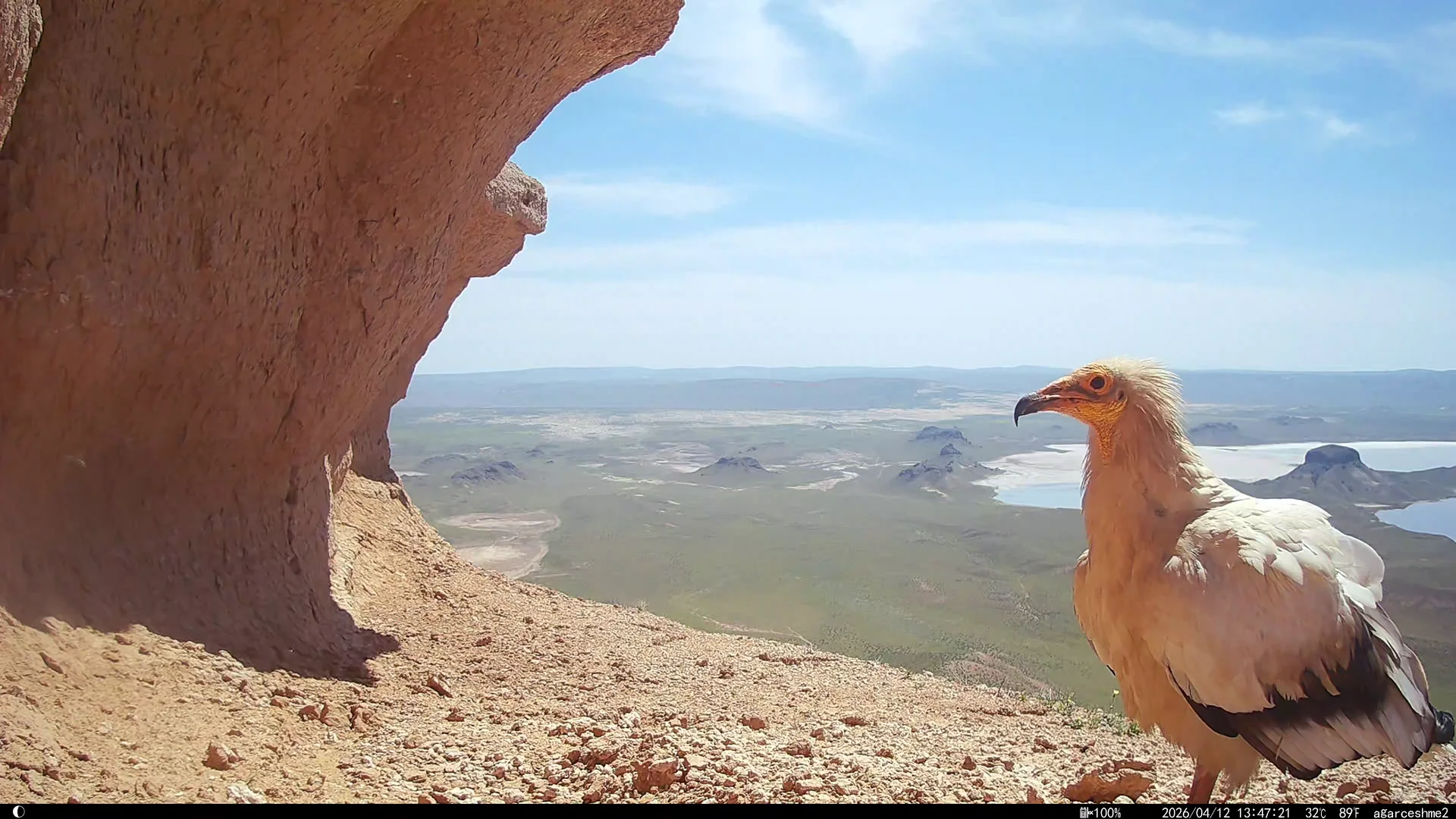
The Egyptian vulture is a species that migrates, breeds, and partially remains for the winter. In Turkmenistan, it is found in the Great and Little Balkan Mountains, the Kopetdag, Badkhyz/Karabil regions, Koytendag, Southern Ustyurt, Garabogaz, and along the banks of the Amu Darya River. Beyond Turkmenistan, the species inhabits Southern Europe, Africa, Central Asia, and India. These birds also nest within the Badhyz State Nature Reserve. During scientific research, we recorded their nests in pistachio groves, the ancient caves of Gyzyldjar, and on the steep cliffs of the Yeroylanduz depression. During the summer season, they can often be spotted across the reserve, especially near watering holes.
The breeding season begins in the second half of April. The female usually lays two eggs, occasionally one. The chicks hatch in early June after an incubation period of 37 to 42 days. After 70 to 90 days, the young birds leave the nest, with both the male and female sharing equal responsibility for their care. In the wild, Egyptian vultures have a lifespan of 20 to 25 years, while in captivity/zoos, they can live up to 37 to 40 years.
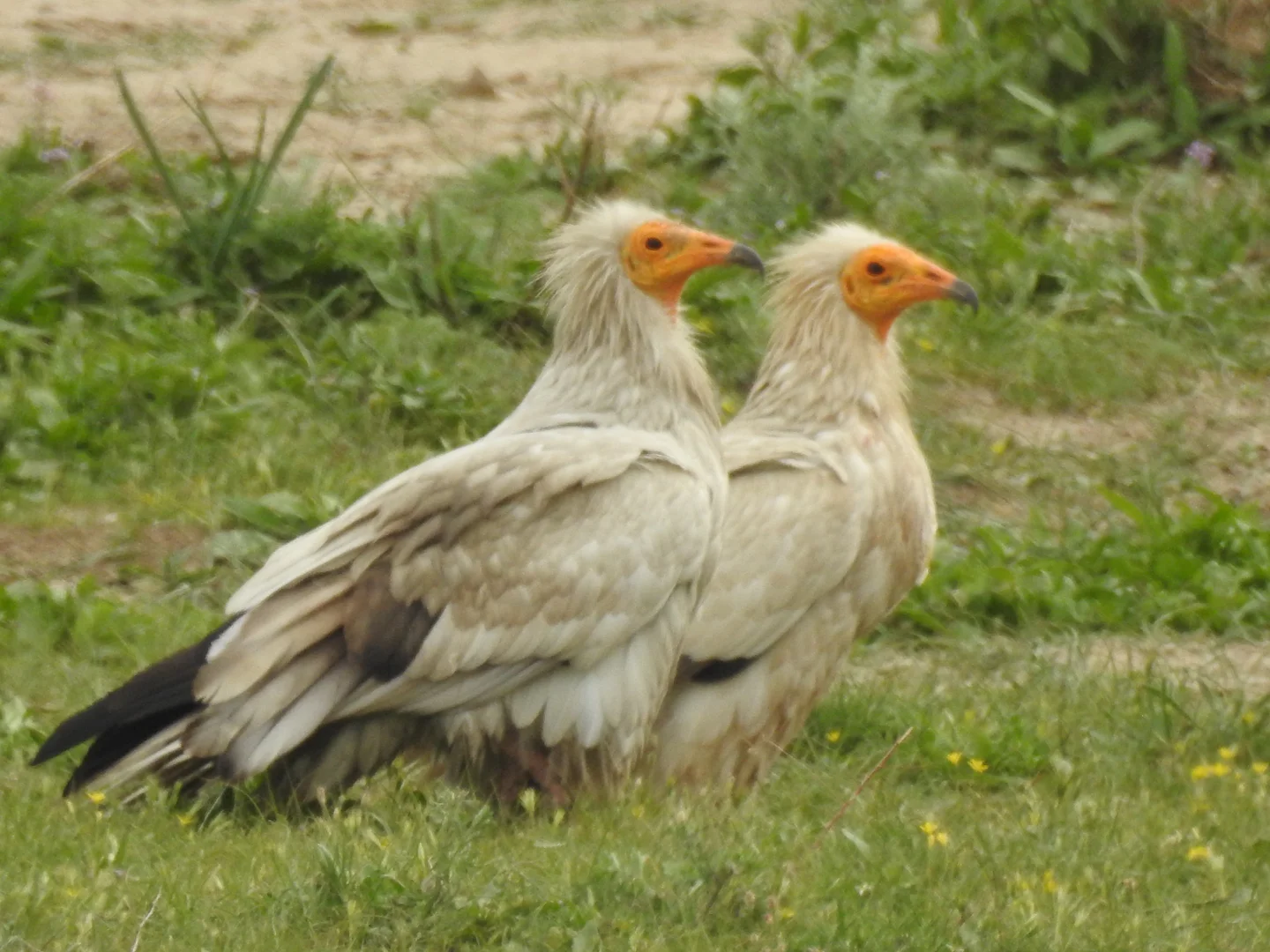
Despite its relatively slender build, the Egyptian vulture is capable of consuming up to 300–400 grams of meat at a single time. These birds have exceptionally keen vision and sense of smell: their visual acuity is seven times greater than that of humans, allowing them to spot food on the ground from a distance of several kilometers. Soaring on warm updrafts of air, they glide high above while keeping each other in sight. If one bird swoops down toward food, the others immediately follow suit. This group strategy helps them find food more efficiently.
Great attention is paid to the protection of Egyptian vultures worldwide. The species is included in the IUCN Red List of Threatened Species, as well as the Appendices of the Bonn Convention on the Conservation of Migratory Species of Wild Animals (CMS) and the Convention on International Trade in Endangered Species of Wild Fauna and Flora (CITES).